Berber carpet, named after the indigenous Berber tribe of North Africa, has roots stretching back thousands of years. Historically renowned for their skillful weaving, the Berbers created stunningly textured, looped pile fabrics that could withstand harsh desert conditions. Contemporary Berber carpets maintain similar properties and are widely appreciated in the field of home decor for their durability and aesthetic appeal.
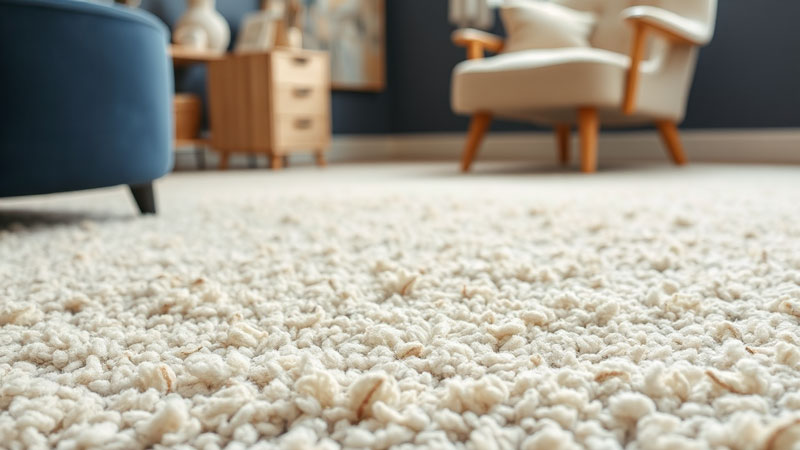
Present-day Berber carpet’s characteristics hail from its historical antecedents, using a series of loops made from wool or synthetic materials on its surface rather than the cut pile found in many other carpet types. This manufacturing technique results in a uniquely rugged texture that provides an array of both functional and aesthetic advantages.
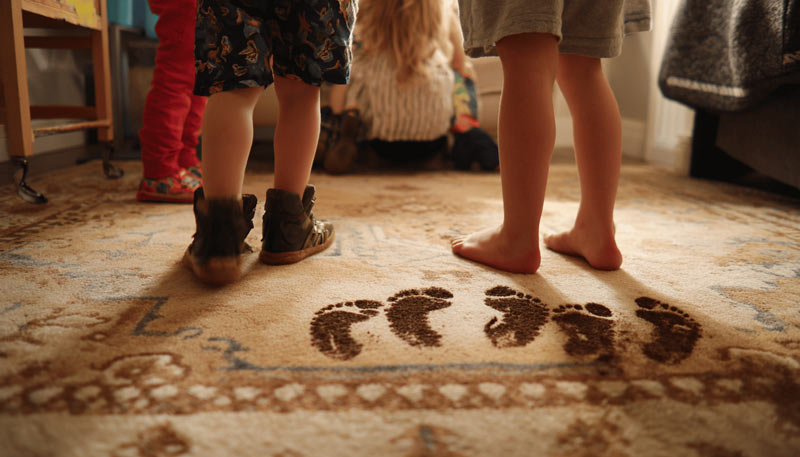
The primary advantage is durability. The low-profile nature and tight looping contribute to a hard-wearing surface that resists foot traffic exceptionally well, making it ideal for high-traffic areas such as hallways, foyers, or offices. Furthermore, this looped construction hides dirt until you can clean it out—another reason why it’s favored by those with pets and children.
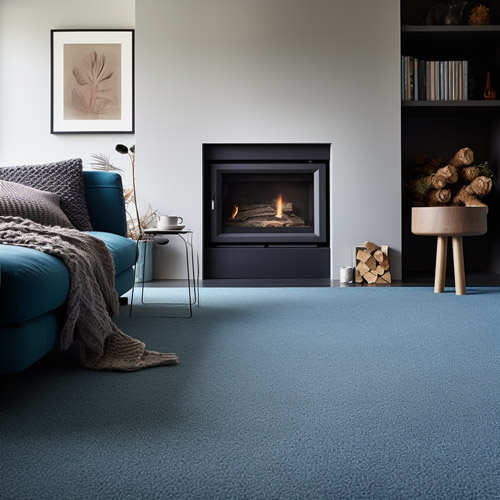
Berber carpets come in various colors and patterns which accentuate its unique texture and create an earthy feel suitable for diverse decorating styles and tastes. Their speckled appearance helps hide minor stains or spills—an added bonus for households bustling with activity.
These carpets offer excellent value too; they tend to be less expensive compared to piled options with similar longevity on account of minimum usage of fiber in production. The thermal insulation properties also make them energy-efficient as they aid in maintaining room temperature — especially beneficial during colder months.
Despite these superior aspects, there are some drawbacks to be considered. Firstly, because suggested cleaning frequency is higher due to hidden grime between loops; improper care could lead to durable stains or germ accumulation over time, potentially causing health risks.
Moreover, clumsiness might result in snagged loops becoming unraveled or damaged, compromising the carpet’s appearance and making it more prone to further wear and tear. Additionally, Berber carpets typically offer less cushioning due to their low pile height, which could be a disadvantage if you’re seeking softness underfoot. It’s also noteworthy that while the wool variants of these carpets offer premium quality, they come with a higher price tag.
Lastly, since these carpets are generally tough to install because of their tight weave design, professional assistance might be needed—adding to costs.
In summary, Berber carpets have a rich history rooted in practicality and resilience. They provide an excellent benefit-cost ratio, especially for busy lifestyles where durability is a paramount factor. Despite some cons such as maintenance demands and potential for snagging damage, with diligent care and proper use, Berber carpet can be an enduring element adding texture and warmth into homes or offices alike.