Carpets are known to harbor a variety of pollutants that can have implications for human health. Common pollutants found in carpets include dust, dirt, pet dander, mold spores, bacteria, and volatile organic compounds (VOCs) from cleaning products and off-gassing from furniture and building materials.
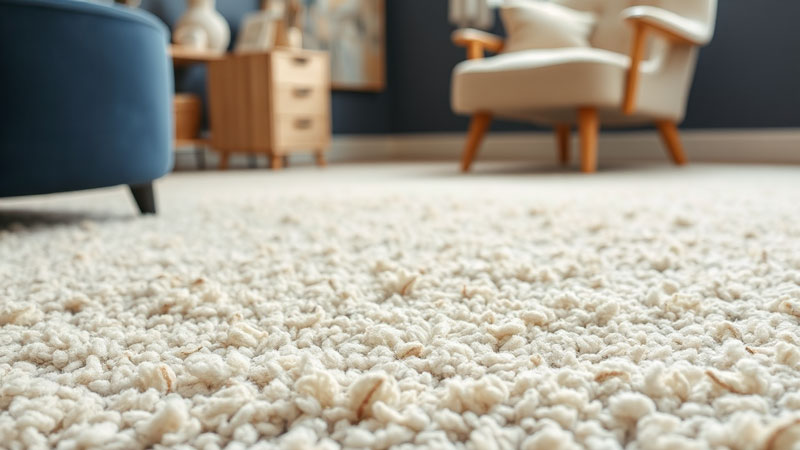
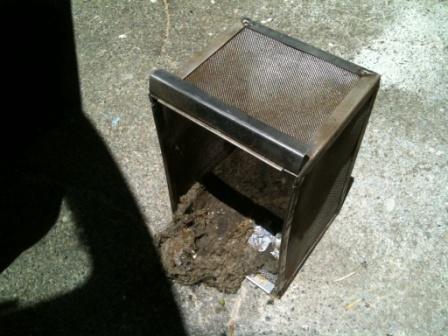
Dust and dirt accumulate in carpets over time, acting as a reservoir for allergens and other harmful particles. These can exacerbate respiratory conditions such as asthma and allergies. Pet dander, another common carpet pollutant, contains proteins that can trigger allergic reactions in sensitive individuals.
Mold spores thrive in moist environments such as carpets, especially in areas with high humidity or water damage. Prolonged exposure to mold can lead to respiratory issues and worsen symptoms in individuals with asthma or compromised immune systems.
Bacteria can also proliferate in carpets, especially in high-traffic areas or where food or liquids have been spilled. Certain strains of bacteria can cause infections or produce toxins that may lead to gastrointestinal issues.
Volatile organic compounds (VOCs) are chemicals emitted as gases from certain household products such as air fresheners, cleaners, and building materials. When these VOCs accumulate in the carpet fibers, they can off-gas into the indoor air over time. Prolonged exposure to VOCs has been linked to respiratory irritation, headaches, dizziness, and potential long-term effects on the central nervous system.
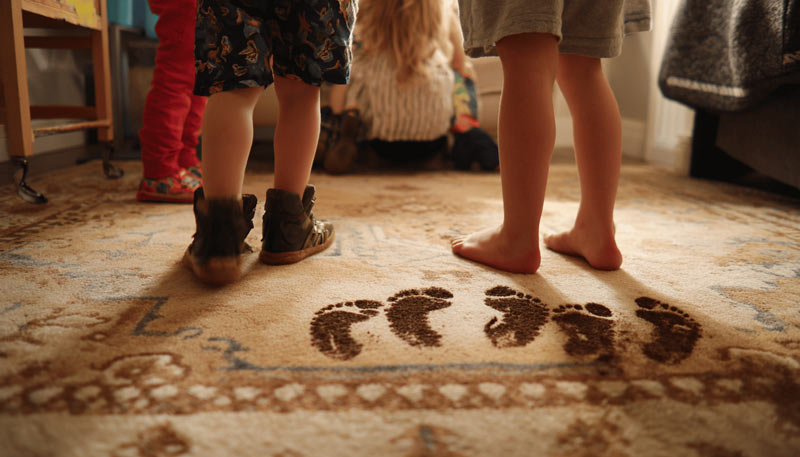
The health implications of these carpet pollutants vary depending on individual susceptibility and the extent of exposure. Children and pets who spend more time close to the floor where the pollutants are concentrated may be at higher risk for adverse health effects.
To minimize the health risks associated with carpet pollutants, regular vacuuming with a HEPA filter-equipped vacuum cleaner can help reduce dust mites, pet dander, and dirt. Additionally, professional steam cleaning at least once a year can effectively remove deeply embedded contaminants like mold spores and bacteria.
In homes or buildings with significant moisture issues or water damage, it is crucial to address the source of moisture promptly to prevent mold growth within the carpet fibers. A dehumidifier may also help maintain indoor humidity levels within an acceptable range to discourage mold proliferation.
Furthermore, using green cleaning products with low VOC emissions can help mitigate indoor air pollution from carpet cleaning solutions. Proper ventilation during and after cleaning activities is essential to dissipate any lingering chemical fumes.
Regular maintenance and prompt attention to spills or moisture issues are key factors in reducing the potential health hazards associated with carpet pollutants. In some cases where individuals have heightened sensitivities or pre-existing respiratory conditions, replacing carpets with hard flooring surfaces may be considered to minimize exposure to these pollutants.
Overall, understanding the types of pollutants present in carpets and their potential health implications empowers individuals to take proactive measures in minimizing risks and creating healthier indoor environments for themselves and their families.