The practice of upholstery dates back to ancient Egypt, where luxurious materials such as leather and fine fabrics were used to adorn furniture. Over time, the craft evolved along with the development of new materials and techniques, leading to the diverse range of upholstery options available today.
Upholstery serves both functional and aesthetic purposes. It not only provides comfort and support but also contributes to the overall look and feel of furniture. When it comes to choosing the right type of upholstery for your furniture, durability is a key factor to consider.
Main Types of Furniture Upholstery:
1. Leather Upholstery:
Leather upholstery is known for its exceptional durability, making it a popular choice for high-traffic areas in both residential and commercial settings. It offers a timeless appeal and improves with age as it develops a beautiful patina over time. With proper care, leather upholstery can last for many years, making it a worthwhile investment.
2. Synthetic Upholstery:
Synthetic materials such as polyester, nylon, and microfiber have gained popularity due to their affordability and resistance to stains and fading. They are relatively easy to clean and maintain, making them suitable for households with children or pets. While synthetic upholstery may not possess the same luxurious feel as natural materials like leather or cotton, advancements in technology have led to the creation of high-quality synthetic fabrics that closely mimic their natural counterparts.
3. Cotton Upholstery:
Cotton is a versatile fabric that offers breathability and comfort. It is often blended with other fibers such as polyester or linen to improve its durability and resistance to wrinkling. Cotton upholstery is relatively easy to maintain but may be more prone to wear and fading compared to other options.
4. Wool Upholstery:
Wool is prized for its natural resilience and flame-resistant properties, making it an excellent choice for upholstery in both residential and commercial applications. Due to its durability, wool upholstery can withstand heavy use without losing its shape or texture. Additionally, wool has inherent stain-repelling qualities, adding to its appeal as a practical yet luxurious upholstery option.
5. Velvet Upholstery:
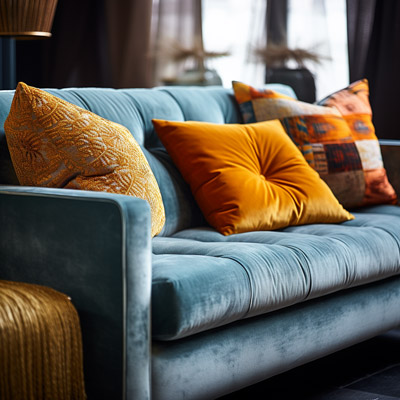
Velvet exudes luxury with its soft texture and rich appearance. While velvet may be less resistant to wear than other fabrics, it adds opulence and elegance to furniture pieces. Modern velvet upholstery often incorporates synthetic fibers or blends with durable materials like polyester for improved longevity.
Considerations for Durability:
In determining the durability of upholstered furniture, several factors come into play:
– Material Quality: High-quality materials tend to be more resilient against wear and tear.
– Construction: The way in which fabric is woven or knit in combination with the frame construction affects the overall resilience of upholstered furniture.
– Usage: Understanding how the furniture will be used helps in selecting the most durable type of upholstery.
– Maintenance: Regular cleaning and maintenance practices contribute significantly to prolonging the lifespan of upholstered furniture.
Final Thoughts:
Choosing the right type of upholstery involves balancing functionality with aesthetics while considering durability as a crucial aspect in decision-making. By understanding the characteristics of different types of upholstery materials, consumers can make informed choices that align with their specific needs and preferences.
As we continue to witness advances in material science and technology, the future holds exciting possibilities for innovative upholsteries that offer enhanced performance without compromising on style or sustainability.